Rocoto Canario
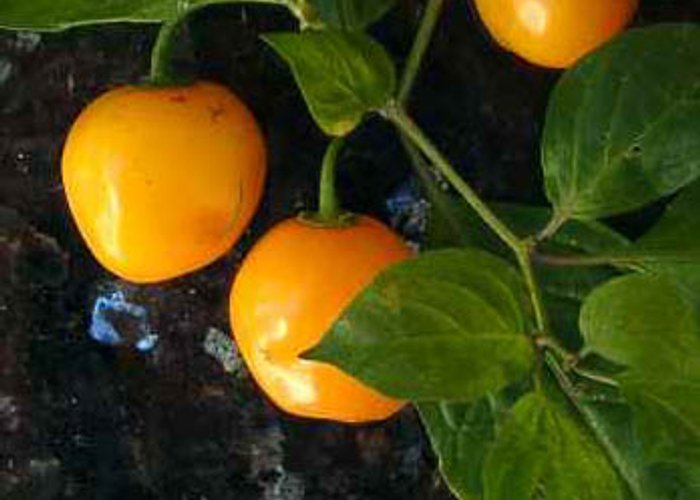
📷 Photo: Semillas.de

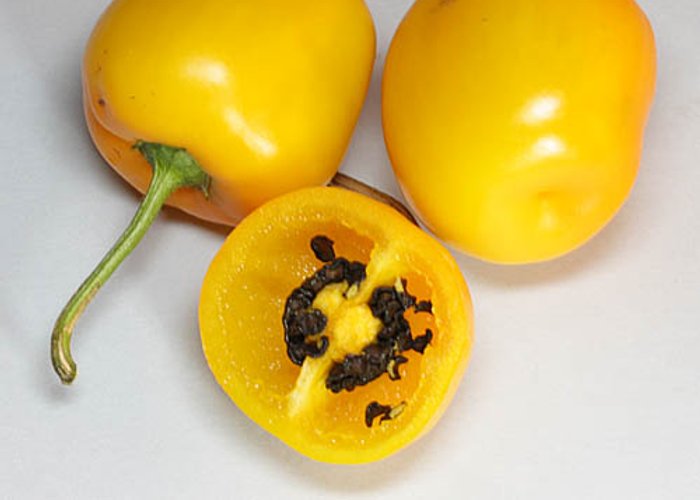
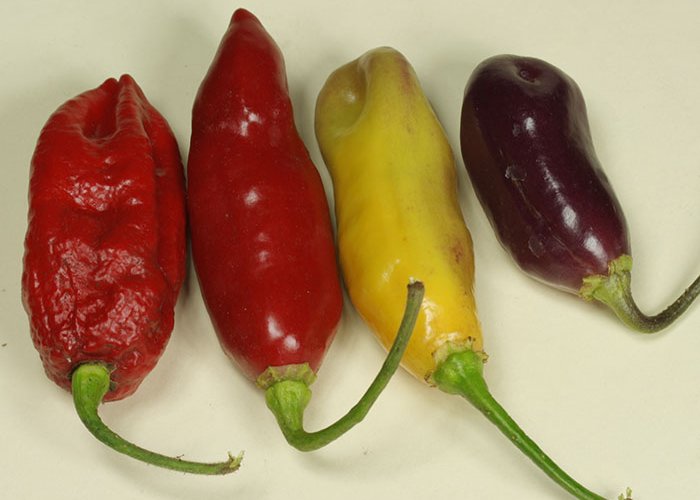
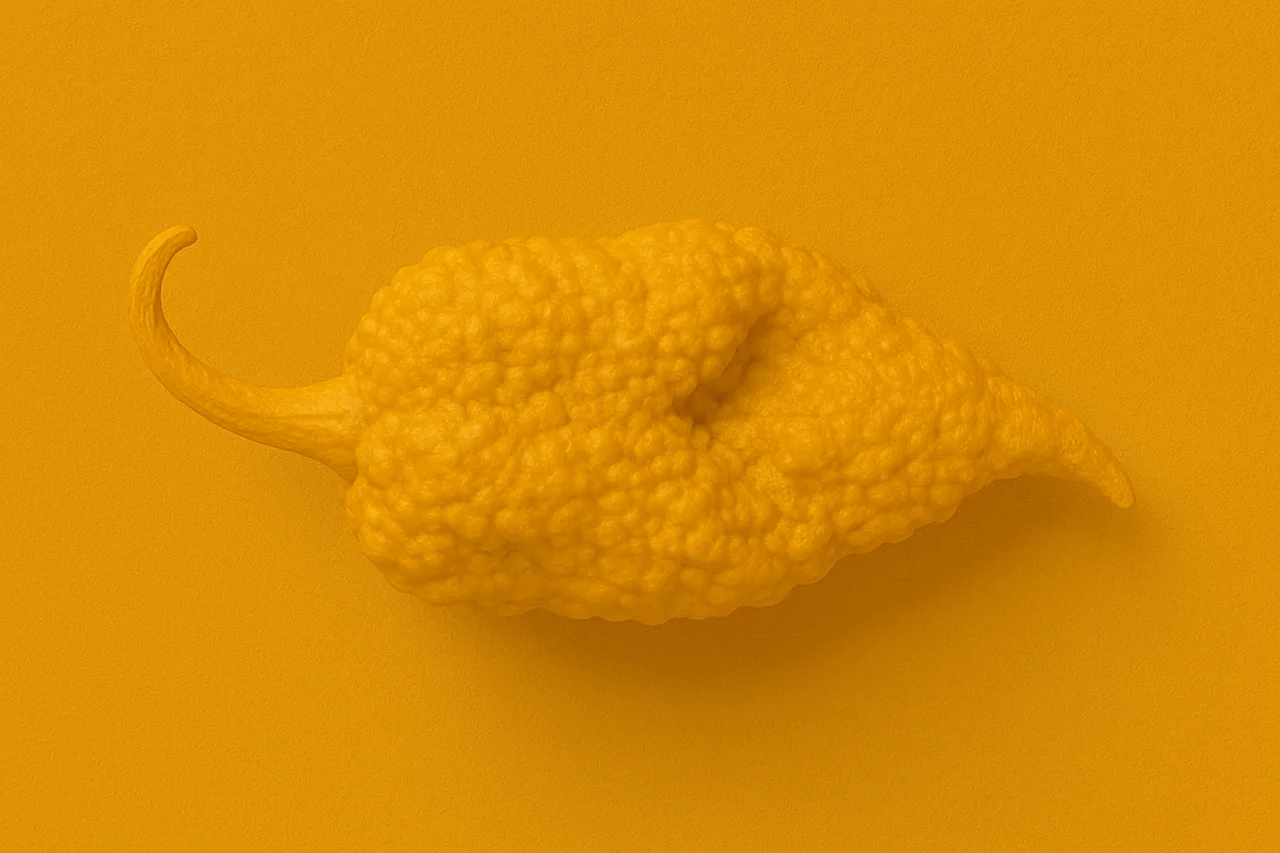
**Naming & related varieties:** The same yellow Capsicum pubescens form is referred to as Rocoto Canario in Peru (Quechua "rukutu" + Spanish "canario" = canary/yellow), Manzano Amarillo in Mexico, and Locoto Amarillo in Bolivia. The biological pepper is the same across all three traditions; grower seed lines may differ slightly (Mexican manzano stock is reportedly milder/smaller than Andean rocoto stock). **Not to be confused with Aji Canario, a yellow Capsicum baccatum from coastal Peru — different species.** A member of the C. pubescens group. Ripens to yellow, apple/blunt bell pods, with matte/powdery. Clocks in at 30,000–100,000 SHU — hot, with a lingering burn. Originates from Andes (Peru/Bolivia). Parentage: Ancient domesticate. A C. pubescens type — the only domesticated pepper with black seeds, hairy leaves, and tolerance for cool temperatures.
**Naming & related varieties:** The same yellow Capsicum pubescens form is referred to as Rocoto Canario in Peru (Quechua "rukutu" + Spanish "canario" = canary/yellow), Manzano Amarillo in Mexico, and Locoto Amarillo in Bolivia. The biological pepper is the same across all three traditions; grower seed lines may differ slightly (Mexican manzano stock is reportedly milder/smaller than Andean rocoto stock). **Not to be confused with Aji Canario, a yellow Capsicum baccatum from coastal Peru — different species.** A member of the C. pubescens group. Ripens to yellow, apple/blunt bell pods, with matte/powdery. Clocks in at 30,000–100,000 SHU — hot, with a lingering burn. Originates from Andes (Peru/Bolivia). Parentage: Ancient domesticate. A C. pubescens type — the only domesticated pepper with black seeds, hairy leaves, and tolerance for cool temperatures.